How a Water Softener Can Help Homeowners Save Money in 2026

Blog
How a Water Softener Can Help Homeowners Save Money in 2026
Increased household costs are becoming a hot topic of discussion between Maine homeowners in 202. Utility bills are higher, appliance repairs are expensive, and replacing plumbing fixtures is turning into a major expense. To overcome these, families are looking for practical ways to avoid unnecessary costs around the house. One issue that often gets overlooked is hard water.
A lot of people live with hard water for years without realizing how much money it can quietly waste over time. These signs usually start small, maybe the dishes look cloudy after a wash cycle, soap doesn’t lather well, or the heater seems less efficient than it used to be. These issues may not seem serious at first, but they slowly affect your home’s plumbing system and appliances.
What Is Hard Water?
Water that contains natural minerals like calcium and magnesium is called hard water. These minerals enter the water when it moves through soil and underground rocks. While the water is still safe to use, the extra minerals can leave behind residue and build up pipes and appliances.
Over time, hard water buildup can create problems throughout the home. Mineral deposits stick to the inside of plumbing lines, water heaters, faucets, dishwashers, and washing machines. These buildups get thicker over time and make appliances work harder. Many homeowners often avoid these issues until they notice higher energy bills or deal with costly repairs more often.
How Hard Water Can Increase Household Costs
One of the biggest problems with hard water is scale buildup inside water heaters. When minerals collect inside the tank, the heater has to use more energy to warm the water. This can lead to higher monthly utility bills and added strain on the system.
The same thing can happen with dishwashers and washing machines. Hard water minerals can reduce cleaning performance and wear down parts faster. This makes homeowners wash dishes twice or use extra detergent just to get things clean.
Apart from these, laundry and small appliances also suffer. Clothes may feel stiff or look dull after repeated washing, and coffee makers, ice machines, and showerheads often collect mineral deposits over time, which can shorten their lifespan.
Why Is This Common in Maine Homes?
Hard water is especially common in homes that use private wells. Well water in Maine often contains higher mineral levels because of local groundwater conditions. In many areas, homeowners often deal with water quality issues linked to naturally occurring minerals.
Some of the most common signs include:
- White spots on dishes and glassware
- Dry skin or dull hair after showering
- Mineral stains around sinks and faucets
- Lower water pressure
- Appliances wear out sooner than expected
Cold Maine winters can also make plumbing systems work harder if mineral deposits are already building up inside pipes or water heaters. The added stress can make efficiency problems more noticeable.
How a Water Softener Helps Save Money
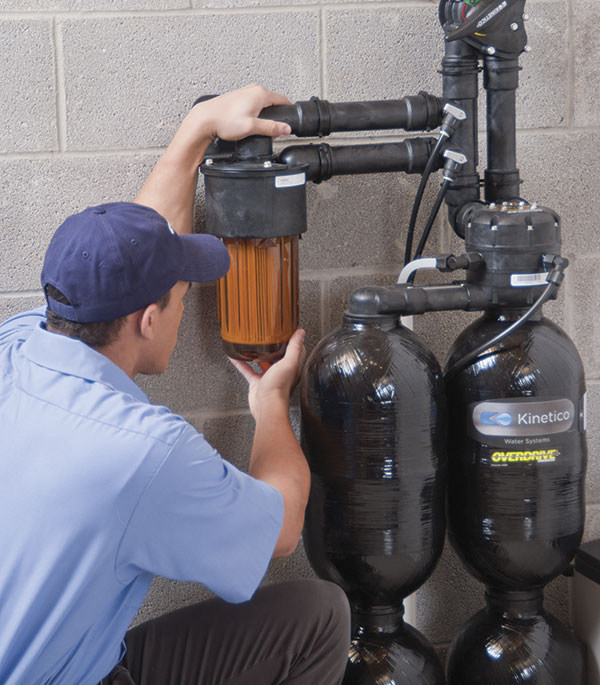
A water softener removes excess minerals before the water moves through the home. This helps in reducing buildup inside the plumbing systems and appliances.
With softened water, water heaters can run more efficiently, which may help lower utility bills. Appliances often last longer because they are not constantly fighting against mineral deposits. Plumbing efficiency can also improve as pipes stay cleaner from the inside.
They also make homeowners use less soap, detergent, and cleaning products after softening their water. Dishes rinse cleaner, laundry feels softer, and fixtures stay clean longer.
These savings may seem small month to month, but over several years, they can help reduce repair costs and delay expensive appliance replacements.
If hard water has become a regular problem in your home, Air & Water Quality is here to help you choose the right water softener Maine solution for your home.
Check manual of Kinetico Premier XP Softener Manual